Jordan
Context and Need
Jordan remains one of the world's largest refugee-hosting countries. During 2025, the country hosted approximately 560,000 registered refugees and asylum seekers under UNHCR's mandate, the majority of whom were Syrian refugees. Jordan is also home to around 2.4 million registered Palestine refugees supported by the United Nations Relief and Works Agency (UNRWA), including more than 131,000 registered refugees living in Baqa'a Camp, the largest Palestinian refugee camp in the country and one of Loving Humanity's distribution locations.
Many refugee and vulnerable Jordanian families continue to face significant financial hardship. The recurring cost of disposable menstrual products places additional pressure on already stretched household budgets, whilst women often encounter considerable barriers to securing stable and dignified employment.
Loving Humanity's Jordan programme addresses both challenges through a sustainable, community-led model that combines the local production of reusable sanitary pad kits with paid work for vulnerable women. By enabling women to manufacture essential hygiene products for other women and families within their own communities, the programme creates lasting social, economic and humanitarian benefit.
Our Team
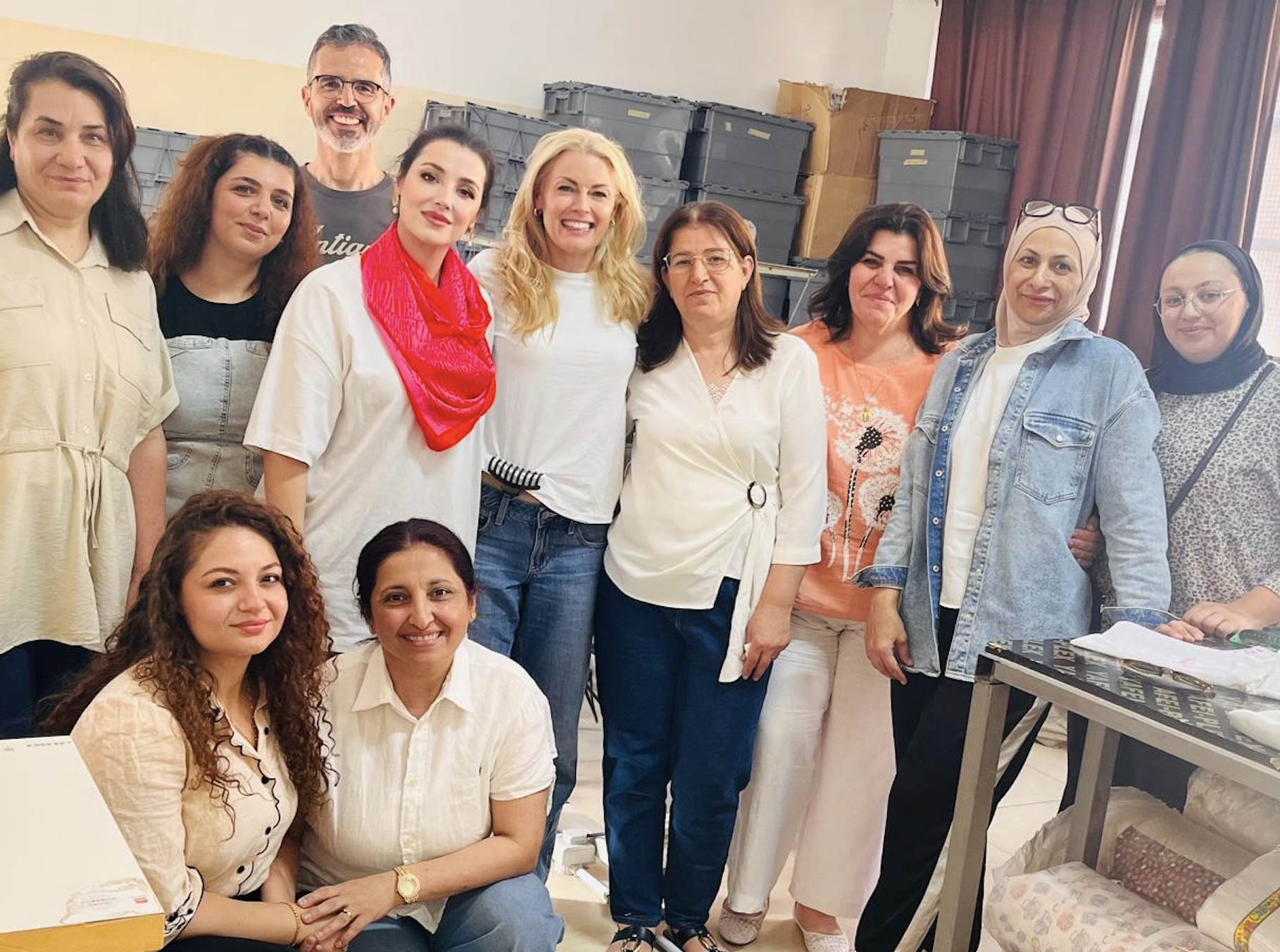
During 2025, Loving Humanity funded the wages for 11 women in Amman. Four experienced production workers continued to work within the established micro-factory based, while seven vulnerable Jordanian women joined the programme through a new community-based production hub in Marka in May. The Jordanian women included widows, divorced women and single mothers experiencing severe financial hardship. Throughout 2025, the women-led production team locally produced 7,500 reusable sanitary pad kits.
Through trusted partners including Messengers of Peace, Athman Al-Iman Charitable Association in Baqa'a Camp, churches and community organisations, these kits were distributed to vulnerable women and girls across Jordan. A further 800 washable nappies were distributed to families caring for babies extending the programme's support beyond menstrual health to wider household hygiene needs. The programme delivers a unique double impact. The women who work within the project receive an income, practical skills and renewed confidence whilst producing products that improve the health, dignity and financial resilience of other vulnerable women and families.

Ayat Izzat, Country Co-ordinator
Um Ibrahim, Founder of Athman Al-Iman Charitable Association in Ba a'a Camp
Outcomes and Impact
30,000 girls and women a month use our pad kits in Jordan
The impact of creating paid work
The programme’s impact reaches far beyond the products themselves. Paid work gives women facing hardship a reliable income and the opportunity to use their existing skills to support other women and families. It also builds confidence, independence and a renewed sense of purpose. For some, this is their first opportunity to undertake paid work with their families’ support. Others are the sole breadwinners in their households. Their earnings help cover essentials such as food, rent and daily living costs. Women describe the pride they feel in being able to give money directly to their children and contribute to their families’ wellbeing.
One production worker reflected: “This work helped me feel that my skills still have value. I was able to earn income and at the same time produce something that helps other women.” Another described the work as “respectful”, enabling her to meet important household needs. Others spoke of the satisfaction of making reusable pad kits for women who would otherwise struggle to afford menstrual products.
Alongside these financial benefits, the women have found friendship, mutual support and a sense of belonging. They describe one another as family. Through their work, they can meet their own needs while helping others experiencing hardship—a source of dignity, self-worth and shared purpose.
The impact of the nappies
One mother who received washable nappies for her newborn told us that the savings “allowed her to pay her electricity bill and buy 2 chickens a month to feed her family”. Siham, from Baqa’a camp told us “a package of diapers here is 4 JDs, so I’m saving a lot of money with the reusable nappies. The nappies are excellent and I just want to thank those who donated them.” The resounding feedback about the nappies is about how they don’t leak and save the mothers up to 25% of their monthly income!
The impact of the pads
Women reported that the reusable pad kits relieved the recurring cost of purchasing disposable menstrual products whilst enabling them to manage menstruation with greater dignity, confidence, comfort and ease. Independent feedback from Athman Al-Iman Charitable Association in Baqa'a Palestinian Refugee Camp further demonstrated the programme's impact. Following distributions over six months, Kifah Mahmoud, President of the Association, reported that she had '“spoken with many women, and they all praised this product highly.” One mother told us how her daughter now feels confident and comfortable to attend school, which she would previously missed during her period.
Azraq Refugee Camp
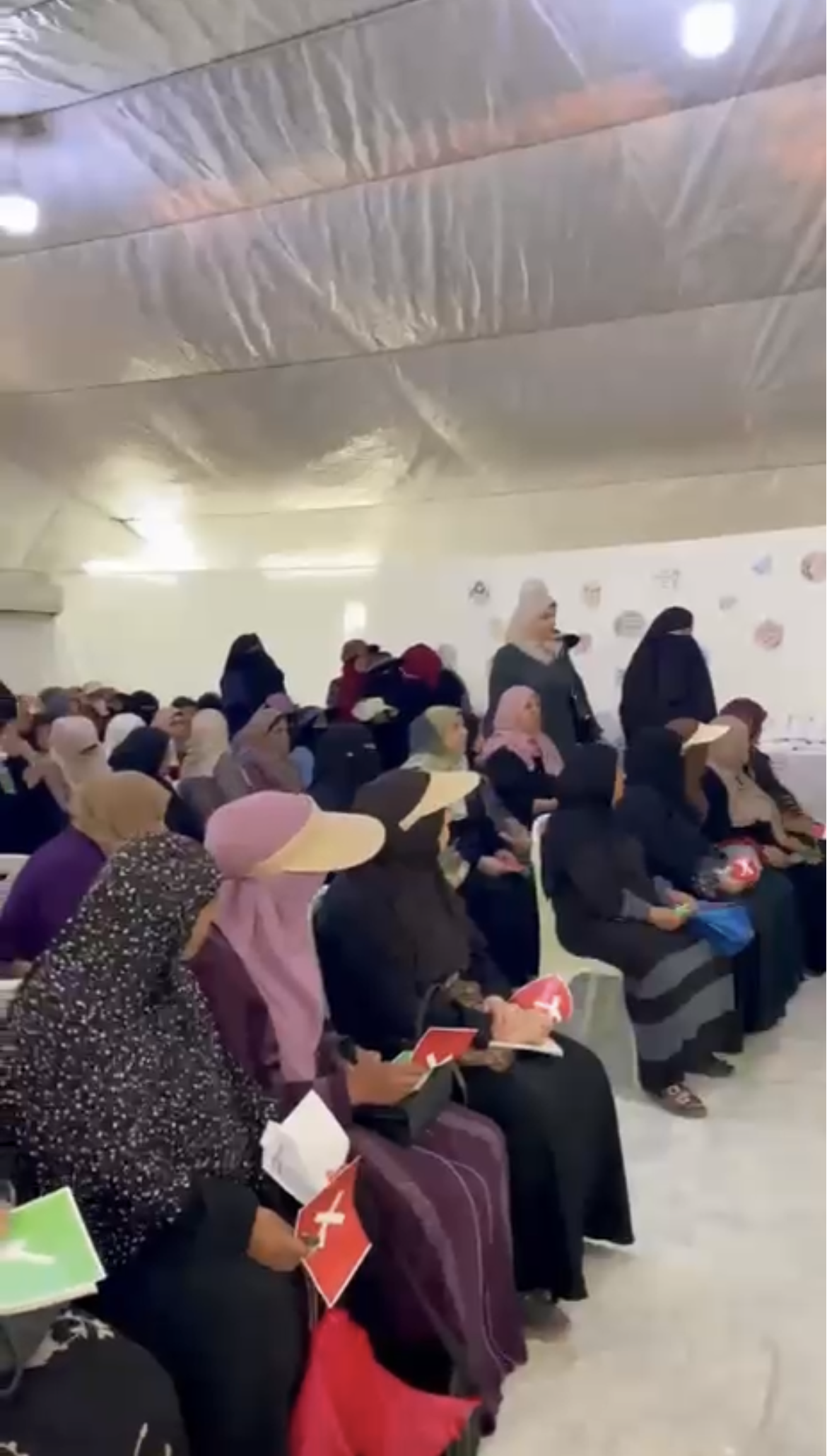
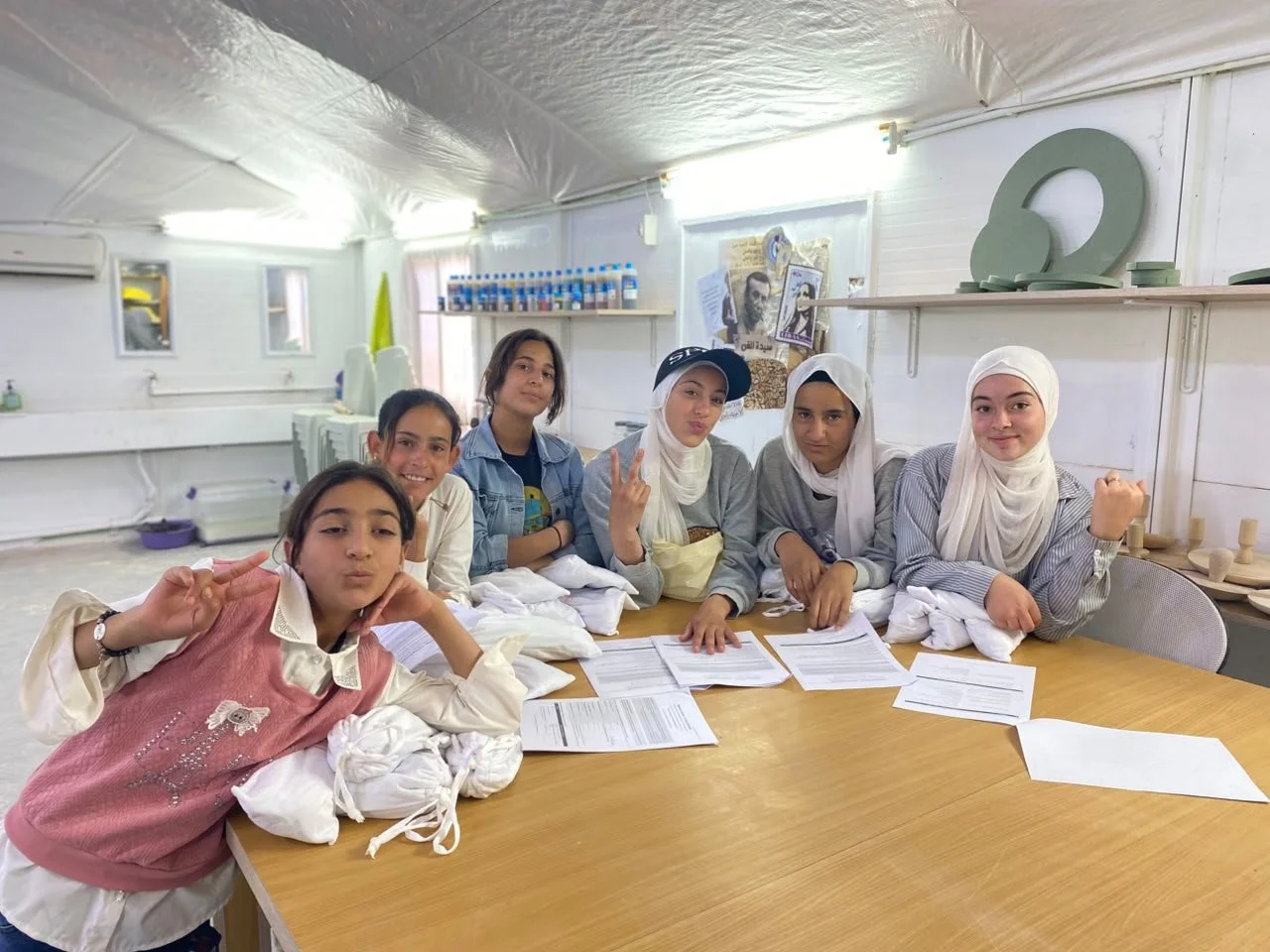
400 women receive instructions on how to care for their pad kits and young Syrian girls fill out our baseline questionnaire on receipt of their washable pad kits.
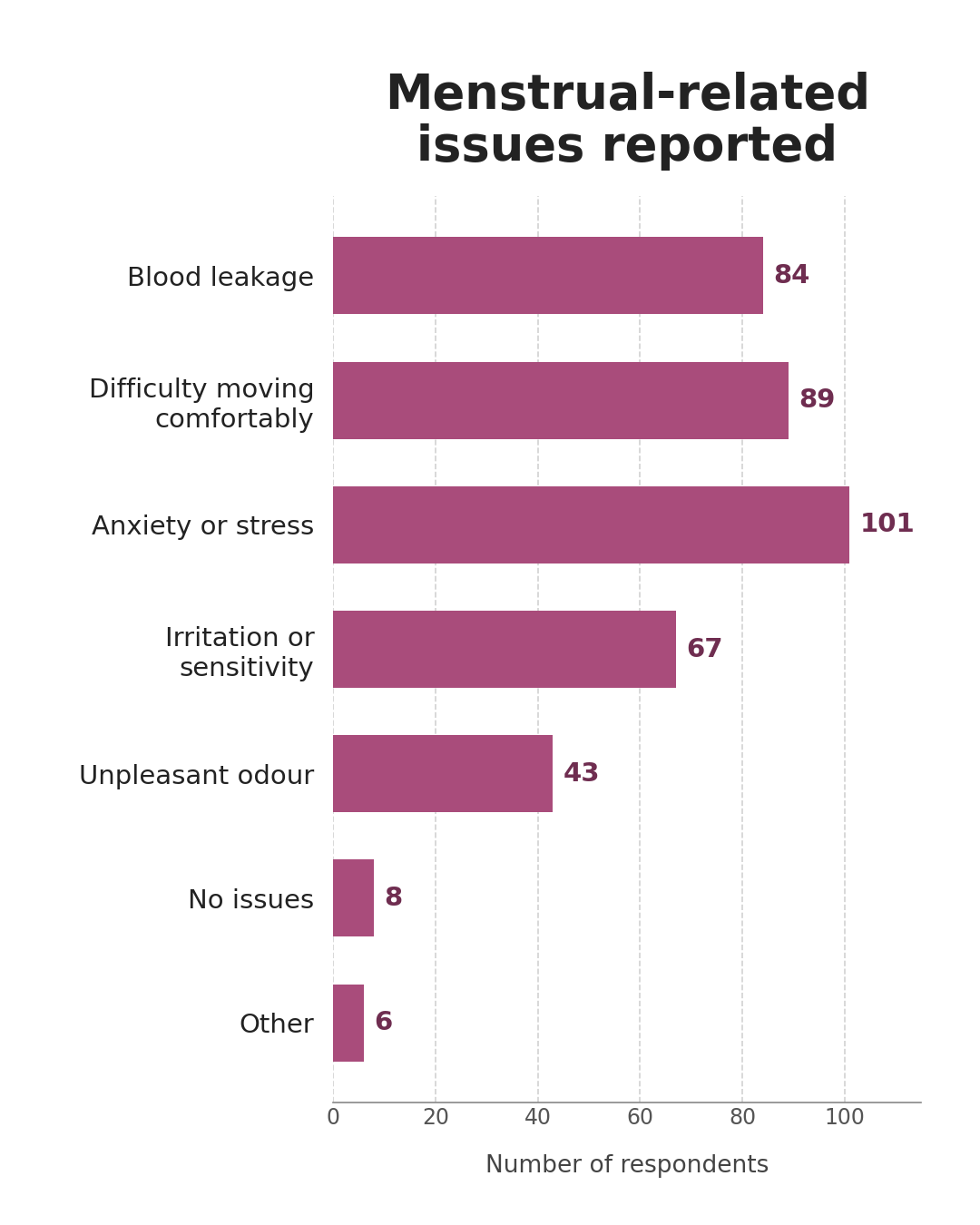
For girls and women in Azraq camp, access to menstrual products depends on what they can afford. Their only option is to buy disposable pads from the camp’s supermarket. Women describe these pads as very poor quality and report the following challenges:
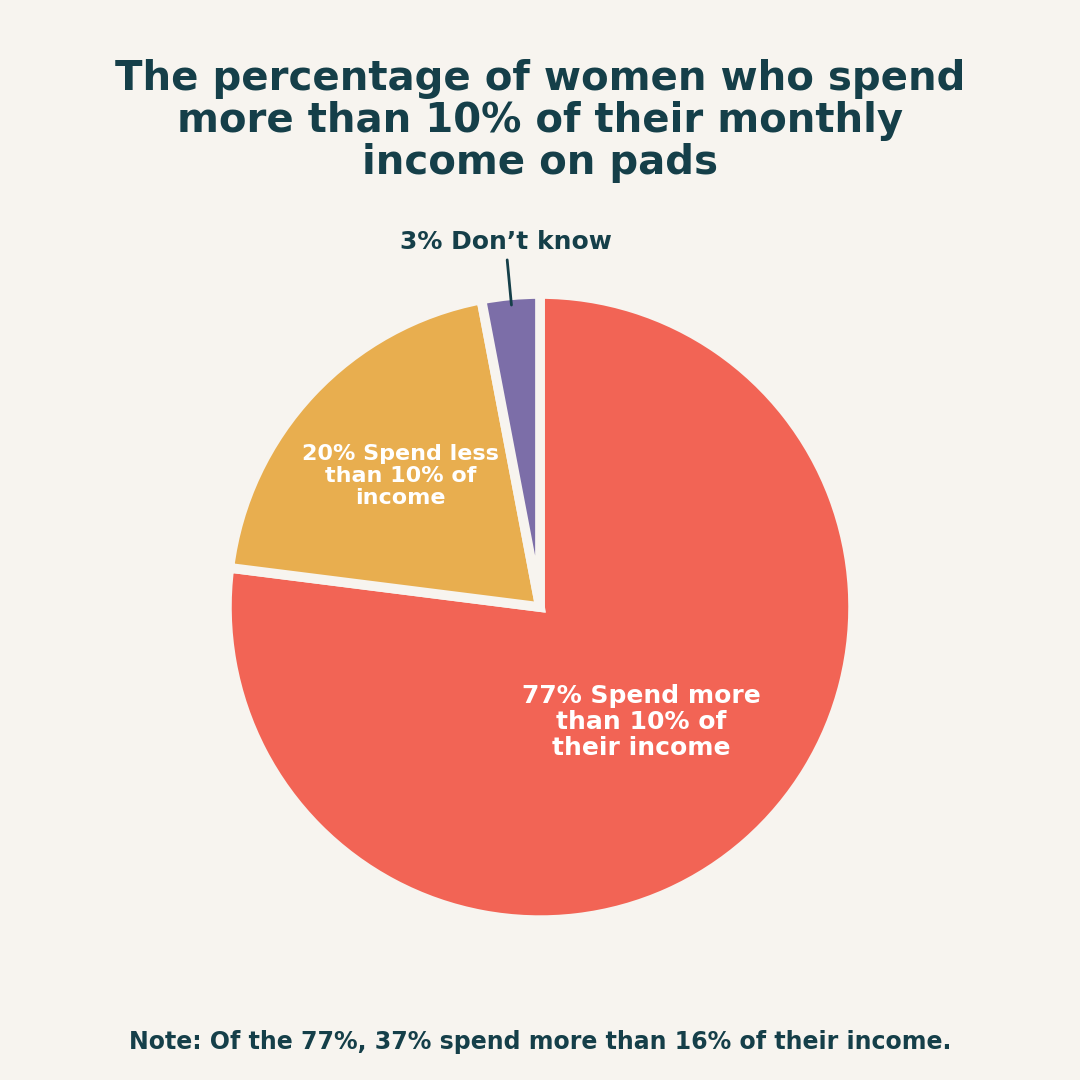
The women also describe the severe financial burden of buying these poor-quality disposable pads. More than a third report spending more than 16% of their monthly income on menstrual products. To put this into perspective, someone earning £1,880 a month in the UK would have to spend over £300 each month on pads to face an equivalent burden.
After just three months of distributing our reusable pad kits, we are already receiving very positive feedback from women and girls. We are now awaiting the survey data to better understand the difference the kits are making in their daily lives.