“We believe in a world where every woman and girl can live, learn and work with dignity.”
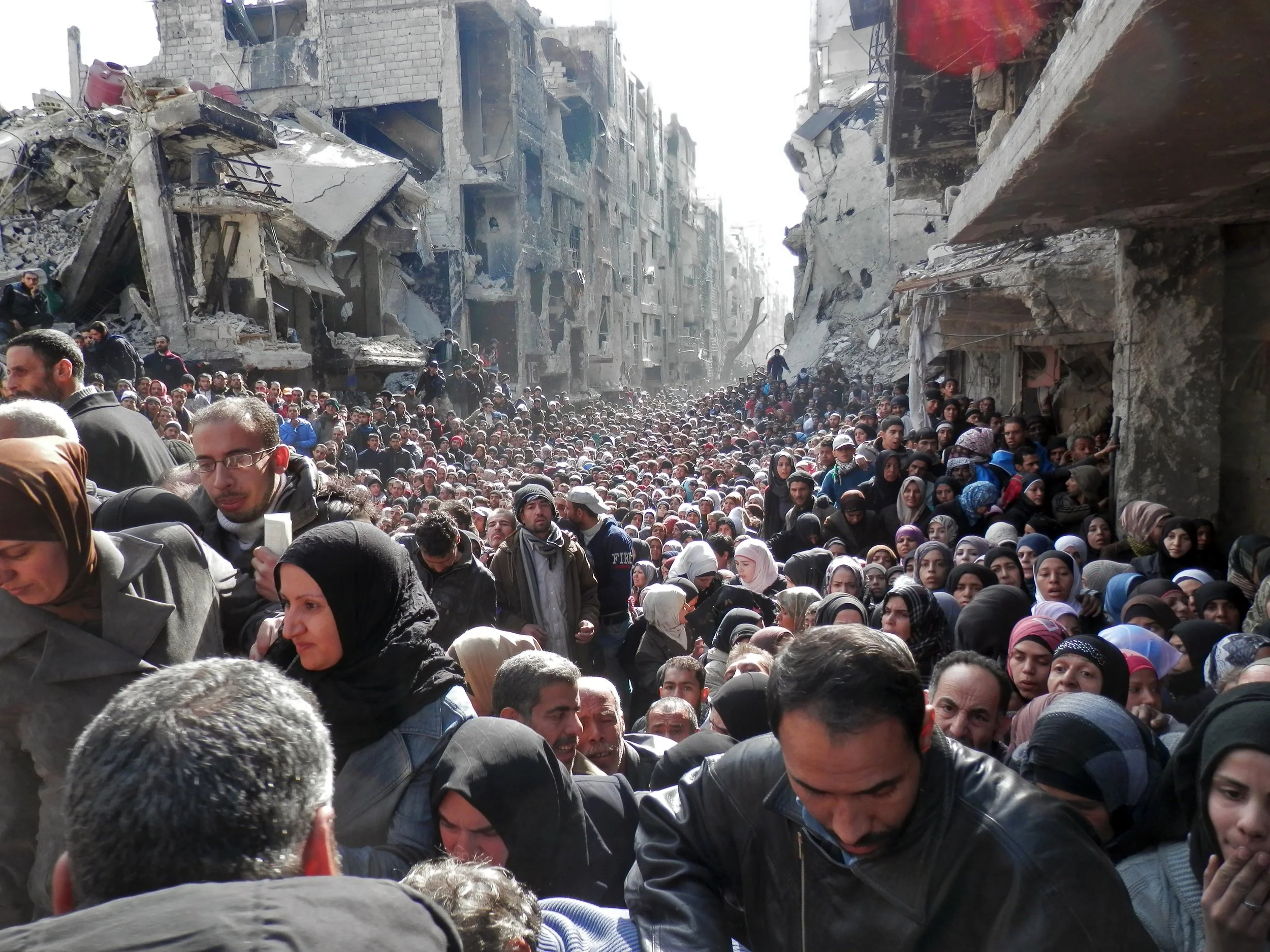
Loving Humanity’s story began in 2014, when Amy was working as a Pilates teacher while raising her family. Waiting for a doctor’s appointment, she came across a magazine photograph showing 18,000 people queuing for bread in a refugee camp in Damascus. Her attention settled on a woman in the foreground, sparking a question she could not put aside: how did the millions of women and girls living in conflict zones and slums cope without access to sanitary products?
Inspired by the story of Arunachalam Muruganantham (The Pad Man), Amy travelled to India, Jordan, Sweden, Turkey, Switzerland and Holland on a journey of discovery. She learned about manufacturing, product design, sourcing materials, shipping and taxation, while gaining an understanding of how the humanitarian sector works. This knowledge laid the foundations for Loving Humanity’s sanitary product micro-factories, supporting women and girls in communities on the edge of war zones and in slums.
In 2016, at the height of the Syrian war, Loving Humanity imported the necessary materials from India and Turkey and opened its first sanitary product factory in Zaatari refugee camp in Jordan, five miles south of the Syrian border. The factory manufactured disposable sanitary pads and washable nappies, responding to the urgent needs of thousands of children experiencing bedwetting linked to the trauma of war. It also addressed the lack of incontinence products for people living with disabilities and older people in the camp.
Working alongside UNHCR and the Norwegian Refugee Council (NRC), we created paid work for thirty of the camp’s most vulnerable women. Monitoring and evaluation carried out by the NRC showed that our washable nappies saved beneficiaries 25% of their monthly income. Political challenges within the camp led us to relocate the micro-factory to a church compound in Amman in 2018, where it reopened in 2019.
We have supplied washable nappies to the two Mother Teresa homes in Amman and sent our products to a transit camp on the Greek–Macedonian border, a care home in Langa township in Cape Town, schoolgirls in Burundi, and vulnerable girls and women in Sierra Leone. Our sanitary pads have also reached a school in Lebanon and girls and women living in Gaza.
In 2015, BBC coverage of Amy’s work prompted an overwhelming response, with requests from people around the world to establish micro-factories in their communities and help girls stay in education after starting their periods. The scale of the need was too great to ignore: a lack of menstrual products was creating another barrier to education for girls already facing poverty and hardship.
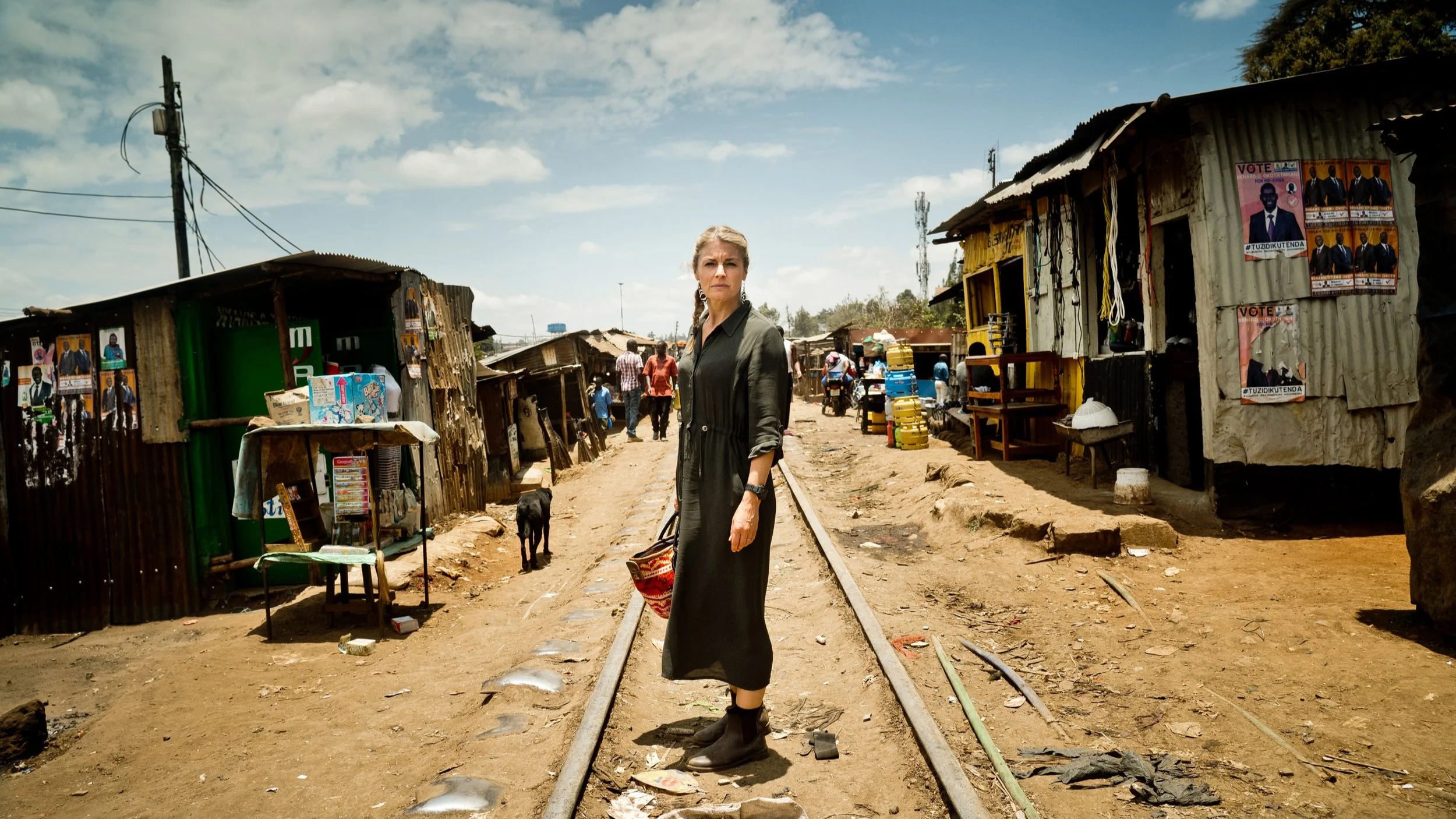
In 2019 Loving Humanity opened its first disposable pad project in Kibera slum, Nairobi. In 2022 we open three more in Korongcho slum in Nairobi, in Nakurua and in Kajuki, Meru. In 2022 we worked with Oxfam in Erbil to open a pad project with women who survived the rule of ISIS in Kirkuk, ISSI’s second largeest stronghold.
In 2019, Loving Humanity opened its first disposable sanitary pad project in Kibera, Nairobi. In 2022, we established three more projects in Korogocho, also in Nairobi, in Nakuru, and in Kajuki, Meru. That same year, we worked with Oxfam in Erbil to establish a pad project with women who had survived life under ISIS rule in Kirkuk.